
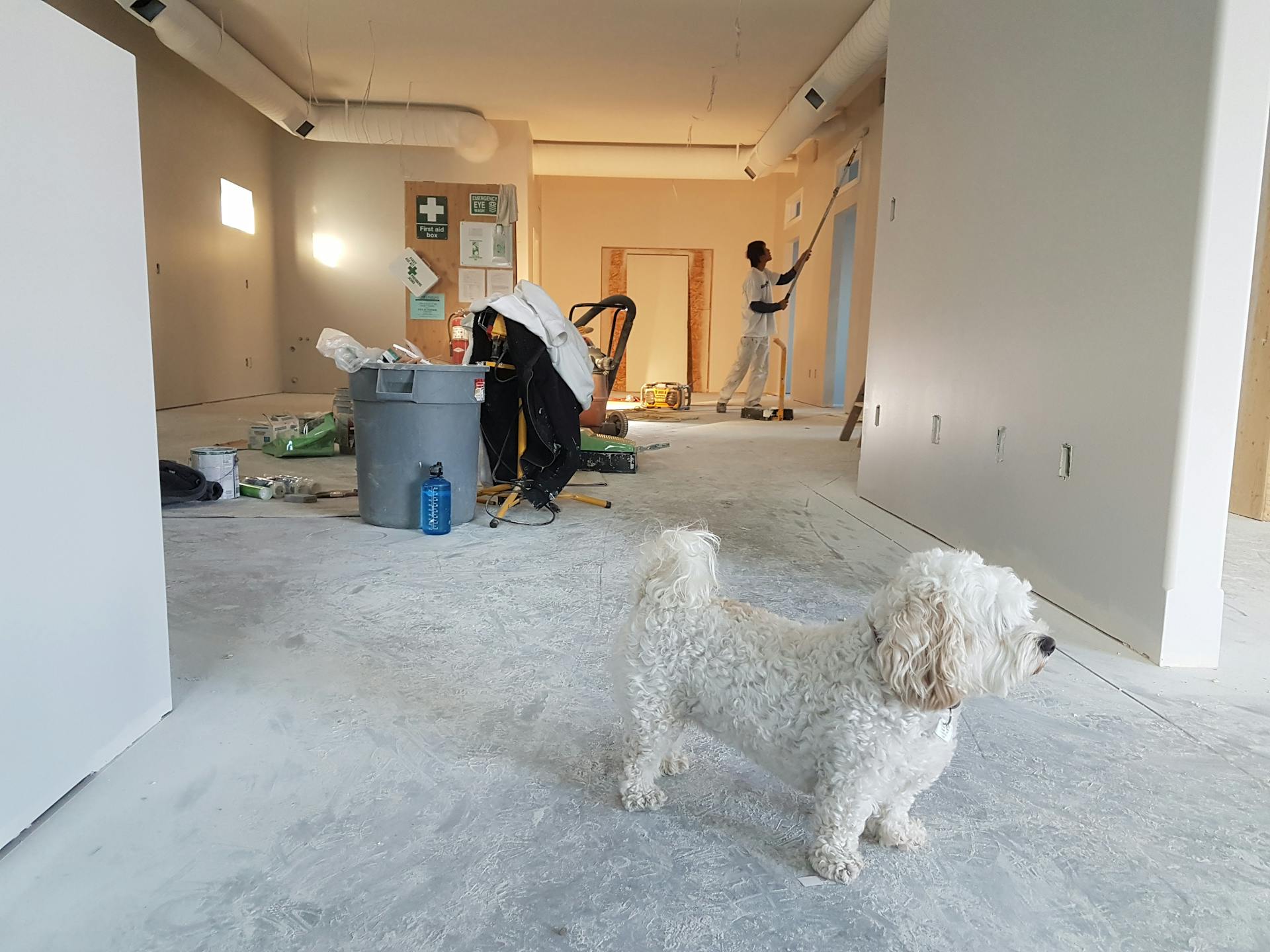
House renovation services are designed to breathe new life into an existing property, improving its functionality, aesthetics, and overall value. Whether you’re looking to update a single room or completely transform your home, renovation services can help you achieve your desired vision.
Professional renovation experts manage everything from design to construction, ensuring a smooth and efficient process that brings your ideas to life while staying within budget and on schedule.
Renovation experts specialize in transforming existing structures to meet modern needs or personal tastes. They work closely with homeowners to assess the current state of the property, identify areas that need improvement, and provide tailored solutions.
These experts manage various aspects of the renovation, including structural work, interior design, electrical and plumbing updates, and the installation of new fixtures and finishes.
One of the primary roles of a renovation expert is to manage the project from start to finish. This includes developing a detailed plan, setting a timeline, and coordinating various trades and contractors.
A renovation expert ensures that the project proceeds according to plan, solves problems that arise along the way, and ensures that the final product meets the homeowner’s expectations.
For homeowners seeking a new look or functionality, design and layout are key aspects of the renovation process. Renovation experts collaborate with designers and architects to create a functional and aesthetically pleasing space.
Whether you’re renovating a kitchen, bathroom, or entire home, these professionals ensure that the design maximizes the available space and suits your lifestyle.
In many cases, house renovations go beyond cosmetic upgrades and may involve structural repairs or changes. This could include reinforcing walls, fixing foundation issues, or removing load-bearing walls to open up a space.
Renovation experts are skilled at assessing the structural integrity of a home and making necessary repairs to ensure safety and stability.
House renovations can be classified into various types, depending on the scope of the project. These include full-home renovations, partial updates, and specific room renovations. Understanding the different services available can help homeowners determine the right approach for their needs.
Full home renovations involve completely remodeling an entire property. This could include changes to the floor plan, updating the electrical and plumbing systems, and replacing all interior finishes. Full renovations offer homeowners the opportunity to completely transform their home into a modern, functional space that better suits their needs. While these projects can be more expensive and time-consuming, they can dramatically increase the home’s value and livability.
The kitchen is often considered the heart of the home, and renovating this space can have a significant impact on the overall look and feel of the house. Kitchen renovations typically involve upgrading countertops, cabinets, flooring, and appliances. Some homeowners opt for a complete overhaul, including changing the layout or adding features like an island or additional storage. A well-designed kitchen renovation can improve functionality and create an inviting environment for cooking and entertaining.
Bathroom renovations can range from simple upgrades, such as replacing fixtures and adding new tiles, to more complex transformations that involve reconfiguring the space or expanding it. Many homeowners opt to create a spa-like atmosphere in their bathrooms, adding features like walk-in showers, soaking tubs, or modern lighting. A bathroom renovation can significantly improve the comfort and functionality of this essential space.
Renovating living rooms and bedrooms typically involves updating furniture, flooring, and wall finishes. This may include installing new lighting, repainting walls, or changing the layout to create a more open, airy feel. For larger projects, homeowners may opt to add features such as built-in shelving, a fireplace, or custom furniture. These renovations focus on improving the aesthetics and comfort of the spaces where people spend a lot of their time.
Basement and attic renovations offer homeowners the chance to unlock the potential of underutilized areas of the home. Basements can be transformed into additional living spaces, such as home theaters, offices, or guest suites. Attic renovations often involve adding dormer windows or creating a loft-style living area. These types of renovations can add valuable square footage to the home and increase its overall market value.
Renovating with energy efficiency in mind is becoming increasingly popular as homeowners look to reduce utility bills and minimize their environmental impact. This type of renovation may include upgrading insulation, replacing windows with energy-efficient models, installing a new HVAC system, or adding solar panels. Energy-efficient renovations not only lower energy costs but also contribute to a home’s long-term sustainability.
House renovations typically follow a step-by-step process that begins with planning and ends with a final inspection. Each stage is crucial to ensuring the success of the project and delivering the desired results.
The renovation process begins with an initial consultation where the homeowner discusses their goals and vision for the space. The renovation expert assesses the current condition of the property, identifies any potential issues, and offers recommendations for improvements. This stage includes determining the scope of the project and setting a budget.
Once the scope of the renovation is determined, the design phase begins. This involves working with designers or architects to create detailed plans that reflect the homeowner’s vision. The design phase also includes selecting materials, finishes, and layouts. For more extensive renovations, structural engineers may be involved to ensure the design is feasible and safe.
Before work can begin, the renovation expert will secure any necessary permits from local authorities. This ensures that the work is compliant with zoning regulations and building codes. The permitting process may include submitting detailed plans and waiting for approval before proceeding with construction.
In many cases, a renovation will begin with demolition, which may involve removing old fixtures, walls, or flooring. If the project requires structural changes, such as reinforcing beams or rebuilding walls, this is also addressed in the early stages. The goal is to prepare the space for the new design elements.
Once the space is prepared, the next step is to install or update essential systems, such as electrical wiring, plumbing, and heating/cooling systems. This ensures that the home’s infrastructure is up to code and functional before the finishing touches are applied.
After the systems are in place, the interior finishes are installed. This includes laying flooring, painting walls, installing cabinets, and adding fixtures like lights, faucets, and appliances. During this phase, the home begins to take shape according to the design plan.
Before the renovation is complete, a final inspection is performed to ensure that all work meets the agreed-upon specifications and local building codes. The homeowner typically walks through the renovated space with the renovation expert to check for any remaining issues or adjustments.
Once everything is in place and the final details are added, the renovation is complete. Homeowners can move in or start using the newly renovated space. Depending on the project, there may be a warranty period during which any issues are addressed.
Get in touch with us using the contact form, email, or phone number provided on this page, and we’ll respond as quickly as possible. We aim to deliver clear communication, prompt support, and reliable solutions tailored to your needs.
Stay updated with the latest news, insights, and exclusive updates delivered straight to your inbox.
A trusted construction company providing durable, high-quality building solutions. From planning to completion, we build with precision, safety, and integrity.
2b, Palmerston St, Nottingham, NG16 5GL
info@axisresmi.com
+44 1773 535886